What's Asphalt Milling and Why Should You Care?
Alright, let's talk about asphalt milling. You've probably seen it happening on city streets around Placentia, maybe even near the Bradford Park area, but you might not know what it is or why it matters for your own driveway. Simply put, milling is the process of removing the top layer of existing asphalt pavement without tearing out the entire thing. Think of it like a giant planer for your driveway.
Why do we do it? Well, if your asphalt is showing its age – lots of cracks, potholes, or it's just getting uneven and bumpy – milling can be a real lifesaver. Instead of completely ripping out and replacing your whole driveway, which is a big, costly job, milling lets us take off just the damaged surface. Then, we can put down a fresh layer of asphalt. It saves you money, time, and it's actually pretty good for the environment because we can often recycle that old asphalt.
Before the Milling Crew Shows Up: Your Prep Work
So, you've decided milling is the way to go. What do you need to do before the big machines roll in? Not much, honestly, if you're hiring a pro like All Star Asphalt Company. We handle most of the heavy lifting. But there are a few things you can do to make things smoother:
- Clear the area: Move your cars, trash cans, any planters, or anything else that's on or near the driveway. We need clear access.
- Mark sprinkler heads: If you've got sprinklers close to the edge of your driveway, mark them clearly with flags or spray paint. We're careful, but those milling machines are big, and it's easy to miss a small sprinkler head.
- Trim back foliage: If you have bushes or trees hanging over the driveway, give them a good trim. This helps our equipment get in without snagging branches.
- Talk to your neighbors: Give them a heads-up. Milling can be a bit noisy and dusty for a day or two. It's just good neighborly practice.
Can you do any of the actual milling yourself? Absolutely not. This isn't a DIY job. You need specialized, heavy equipment and trained operators. Trying to do it yourself would be dangerous, ineffective, and probably cost you more in the long run.
During the Milling Process: What to Expect
When the crew arrives, you'll see some serious machinery. There's the milling machine itself, which looks like a massive, aggressive road grader with a big rotating drum underneath. This drum has a bunch of carbide teeth that chew up the old asphalt. You'll also see dump trucks to haul away the milled material and often a water truck to keep the dust down.
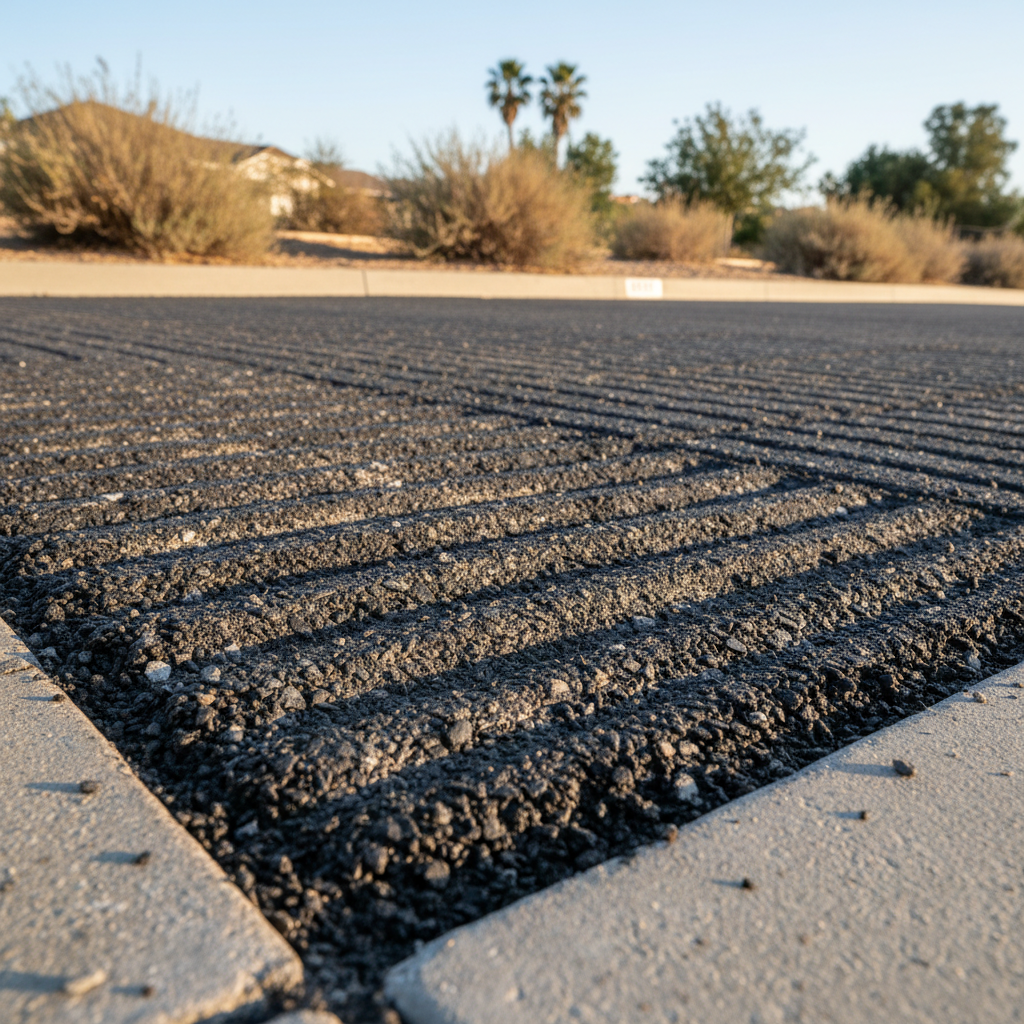
It's going to be loud. It's going to be dusty. That's just part of the process. The milling machine will make passes over your driveway, grinding down the old asphalt to a specified depth. This depth can vary depending on the condition of your existing pavement and what we're trying to achieve. Once the milling is done, the surface will look rough, almost like a gravel driveway, but it's much more stable. This rough surface gives the new asphalt something really good to bond to.
After the Milling: The New Surface & What You Can Do
Once the milling is complete, we'll sweep the area clean. This is crucial because any loose debris or dust can prevent the new asphalt from bonding properly. Then, it's time for the new asphalt layer. We'll lay down fresh, hot asphalt, spread it evenly, and then compact it with rollers. This is where your driveway gets its smooth, black, brand-new look.
After the new asphalt is down, here's what you need to know:
- Stay off it: We'll give you a specific timeframe, but generally, you'll need to stay off the new asphalt for at least 24-48 hours, especially with heavy vehicles. It needs time to cool and harden.
- Be gentle: For the first week or so, avoid sharp turns with your car, especially if you're turning the wheel while stationary. This can scuff or mark the new, softer asphalt.
- Water it: On hot Placentia days, especially in the summer, lightly watering your new asphalt for the first few days can help it cure properly and prevent premature cracking. Just a light mist, not a flood.
- Sealcoating: We'll talk about this, but typically, you'll want to wait 6-12 months before applying a sealcoat. This allows the asphalt to fully cure and release its oils.
Again, the actual laying of the new asphalt is not a DIY job. It requires specialized equipment, hot materials, and a lot of expertise to get it right. You can handle the light watering and being careful with your car, but leave the rest to the pros.
Milling is a smart, cost-effective way to give your old, tired driveway a new lease on life. If you're seeing those cracks and potholes, give us a call at All Star Asphalt Company. We'd be happy to come out, take a look, and give you an honest assessment of whether milling is the right solution for your home.