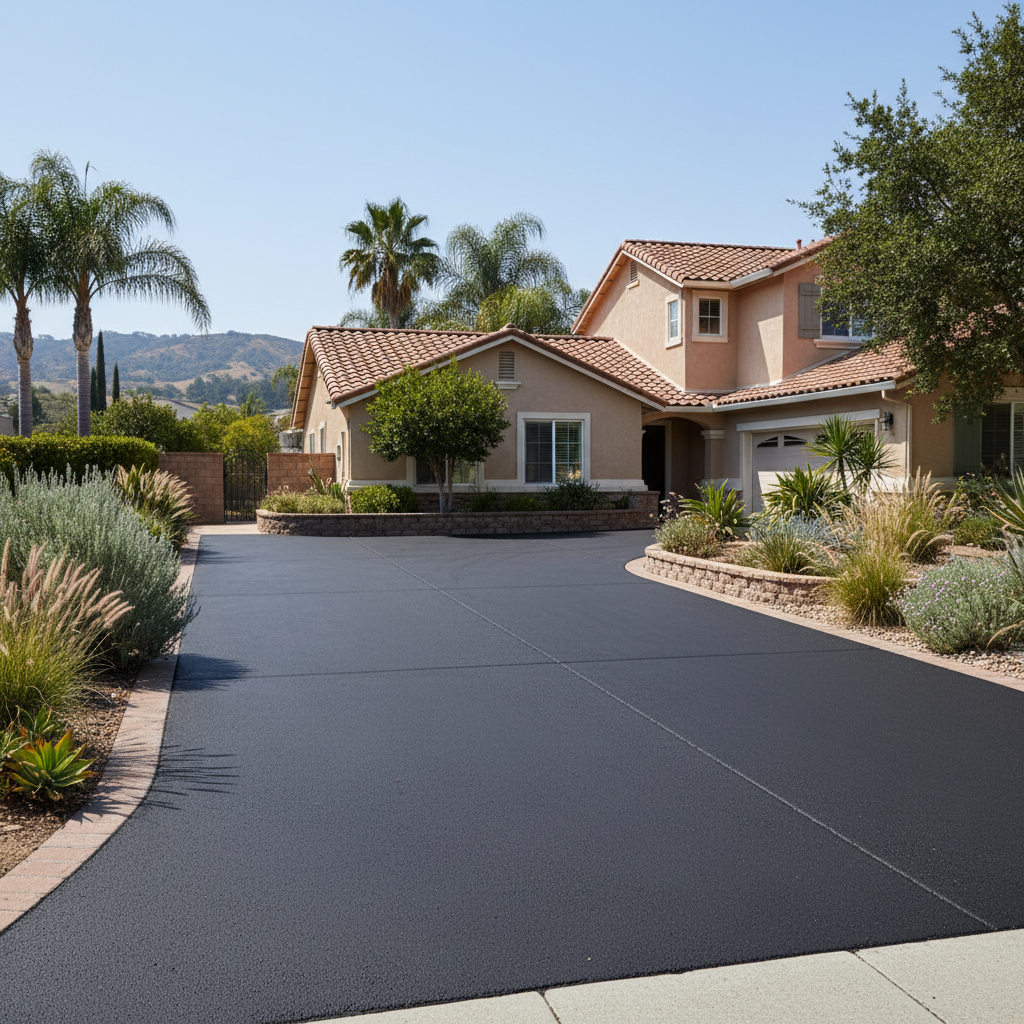
You've put good money into your asphalt pavement, right? Whether it's the driveway at your house or a big commercial parking lot, you want that investment to last as long as possible. It's not brain surgery, but it does need a bit of looking after, especially with that Orange County sun beating down on us most of the year.
Why Keeping Up With Maintenance Matters Here in Placentia
Just think about it: our local climate isn't exactly easy on asphalt. We get those long, hot summers, and even though we don't really have harsh winters, the constant UV rays and those occasional heavy downpours can really do a number on it. That sun bakes the natural oils right out of the asphalt, making it brittle over time. Then, when a good rain finally hits, water can sneak into tiny cracks. Even if we don't get freezing temperatures often, that expansion and contraction can still cause damage. So, regular maintenance isn't just about making things look nice; it's about keeping the whole structure of your pavement sound.
What Does "Regular Maintenance" Actually Look Like?
It's probably simpler than you're imagining, and honestly, you can handle most of it yourself or with just a little help.
- Keep it Clean: Sounds super basic, doesn't it? But debris, dirt, and especially oil or chemical spills can really break down asphalt. Make sure to sweep or blow off leaves and dirt regularly. If you spill oil or gas, clean it up right away. Seriously, don't let it just sit there and soak in.
- Watch for Weeds: Weeds and grass absolutely love pushing their way through cracks. Pull them out as soon as you spot them. If they get established, their roots can actually widen cracks and make your problems much, much worse.
- Sealcoating: This is basically your pavement's sunscreen and its main protective layer. I usually tell folks to sealcoat every 2-3 years for residential driveways and every 1-2 years for commercial lots that see more traffic. It puts those lost oils back, guards against UV rays and water getting in, and gives your pavement that fresh, dark look. This is probably the single most important thing you can do to make it last longer.
- Crack Sealing: This really goes hand-in-hand with sealcoating. Before you sealcoat, any cracks need to be cleaned out thoroughly and then filled with a hot-applied crack sealant. This is crucial because it stops water from getting underneath the pavement, and that's where the *real* damage starts.
Warning Signs You Really Shouldn't Ignore
Your asphalt will definitely let you know when it needs some attention. You just have to know what to look for, that's all.
- Small Cracks Everywhere (Alligator Cracking): This kind of looks like an alligator's skin, right? It means the surface is failing, usually because the base is weak or it's under too much stress. If you see this, you're beyond just simple crack filling.
- Potholes: These are pretty obvious. They start as small dips and then grow super fast once water gets in and traffic keeps pounding on them. Don't let them get huge; they're a safety hazard and can really mess up a vehicle.
- Fading and Graying: If your asphalt looks dull, gray, and faded, it's losing its oils and is much more likely to crack. This is a clear signal that it's sealcoat time.
- Standing Water: After a good rain, if you've got puddles that just don't drain, it means your pavement has settled or there are some drainage issues. This standing water can soften the asphalt and lead to even more serious problems down the road.
- Raveling: This happens when the aggregate (those small stones) starts to come loose from the surface. It makes the pavement feel rough and tells you the binding agent isn't doing its job anymore.
When to Call a Professional (Like All Star Asphalt Company)
Sure, you can handle some basic cleanup and keep an eye on things, but there are absolutely times when you need an expert. If you spot widespread alligator cracking, deep potholes, significant rutting (those depressions from vehicle tires), or large areas of raveling, it's time to bring in the pros. These kinds of issues usually point to a problem with the base layer or just need specialized equipment and materials to fix correctly. Trying to DIY these can often lead to even more expensive repairs later on, you know?
Also, for sealcoating and crack sealing, while some homeowners do try it themselves, getting a professional to do it ensures the surface is prepped right, the material is applied correctly, and you get a nice, uniform finish that will actually last. We know the right products for our specific climate and soil conditions, which can even vary within Placentia—think about some of those older neighborhoods near Valencia High where the ground might have settled differently over the years.
Don't wait until a small crack turns into a giant pothole. A little proactive care really goes a long way in protecting your asphalt investment.