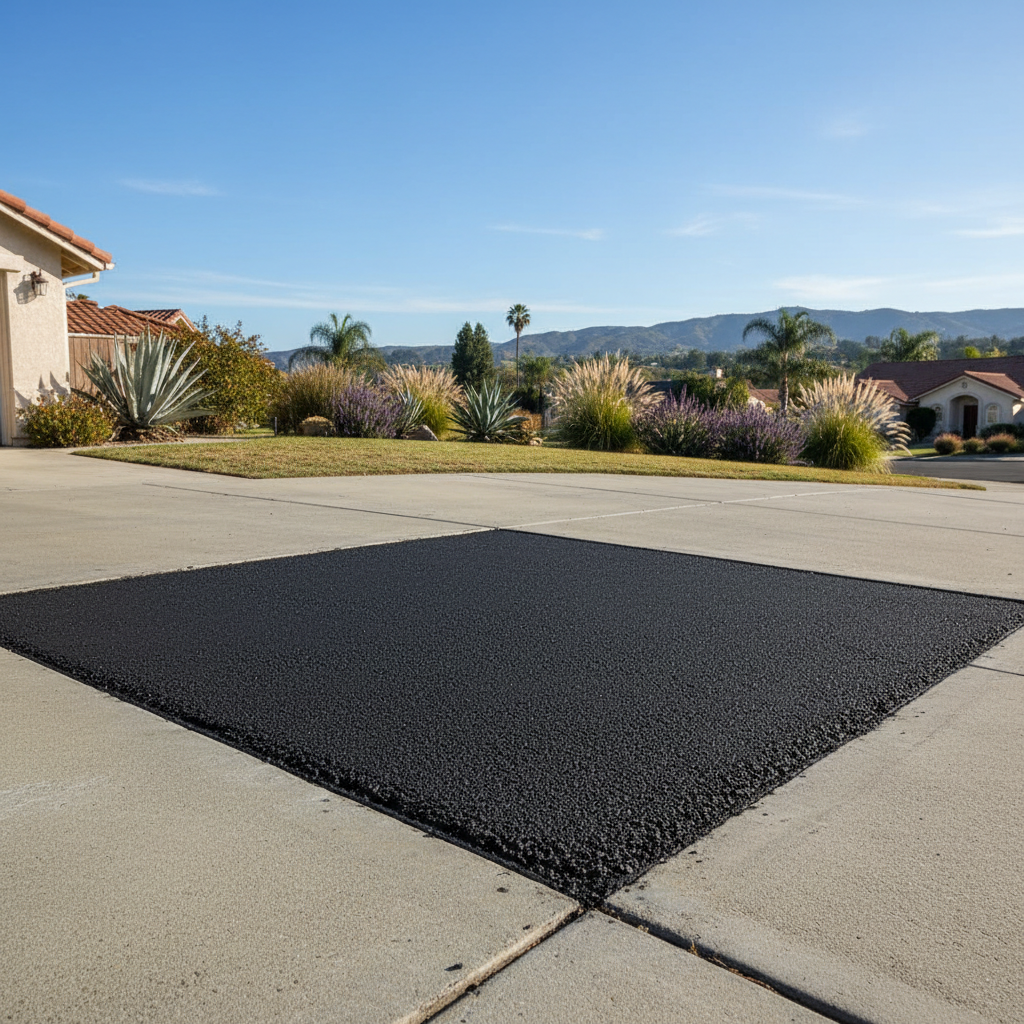
You've got cracks, potholes, or some worn-out spots in your asphalt driveway or parking lot. It's time for patching. Seems straightforward, right? Well, I've been doing this a long time here in Placentia, and I can tell you, there are some common blunders folks make that can turn a simple repair into a real mess. You want to avoid regret? Pay attention.
Mistake #1: Waiting Too Long to Patch
This is probably the biggest one. You see a small crack, maybe a little pothole starting, and you think, 'I'll get to that later.' But asphalt damage doesn't heal itself. It gets worse, and usually, it gets worse fast, especially with our hot Placentia summers and the occasional heavy rain we get. Those small cracks let water seep underneath, weakening the base. Then, when a car drives over it, that weak spot gives way, and suddenly your small crack is a big pothole. What could've been a quick, inexpensive patch becomes a much larger, more involved repair, sometimes even requiring a full section replacement. Don't procrastinate. Address damage when it's small.
Mistake #2: Going with the Cheapest Bid Without Asking Questions
I get it, everyone wants a good deal. But when it comes to asphalt work, the cheapest bid is often the most expensive in the long run. I've seen too many homeowners get burned by fly-by-night operators who offer rock-bottom prices. They might use inferior materials, cut corners on prep work, or just not know what they're doing. A patch job that's done poorly will fail quickly, sometimes within months. Then you're back to square one, paying someone else (hopefully a reputable company like All Star Asphalt Company) to fix the mess the first guy made. Always ask for references, check their license and insurance, and get a detailed quote. Understand what materials they're using and how they plan to do the work. If they can't answer your questions clearly, that's a huge red flag.
Mistake #3: Not Understanding the Different Types of Patches
Not all patches are created equal. Some contractors will just dump cold patch asphalt into a hole, tamp it down, and call it a day. That's a temporary fix, at best. It'll last a little while, but it's not a permanent solution, especially for high-traffic areas or larger damage. For a lasting repair, you typically need hot mix asphalt, which requires proper equipment and expertise to apply correctly. You've got saw-cut patches where the damaged area is cut out cleanly, the base is repaired, and new hot asphalt is laid. Then there are skin patches for surface-level issues. Make sure your contractor explains what type of patch they're proposing and why it's the right solution for your specific damage. If they just say