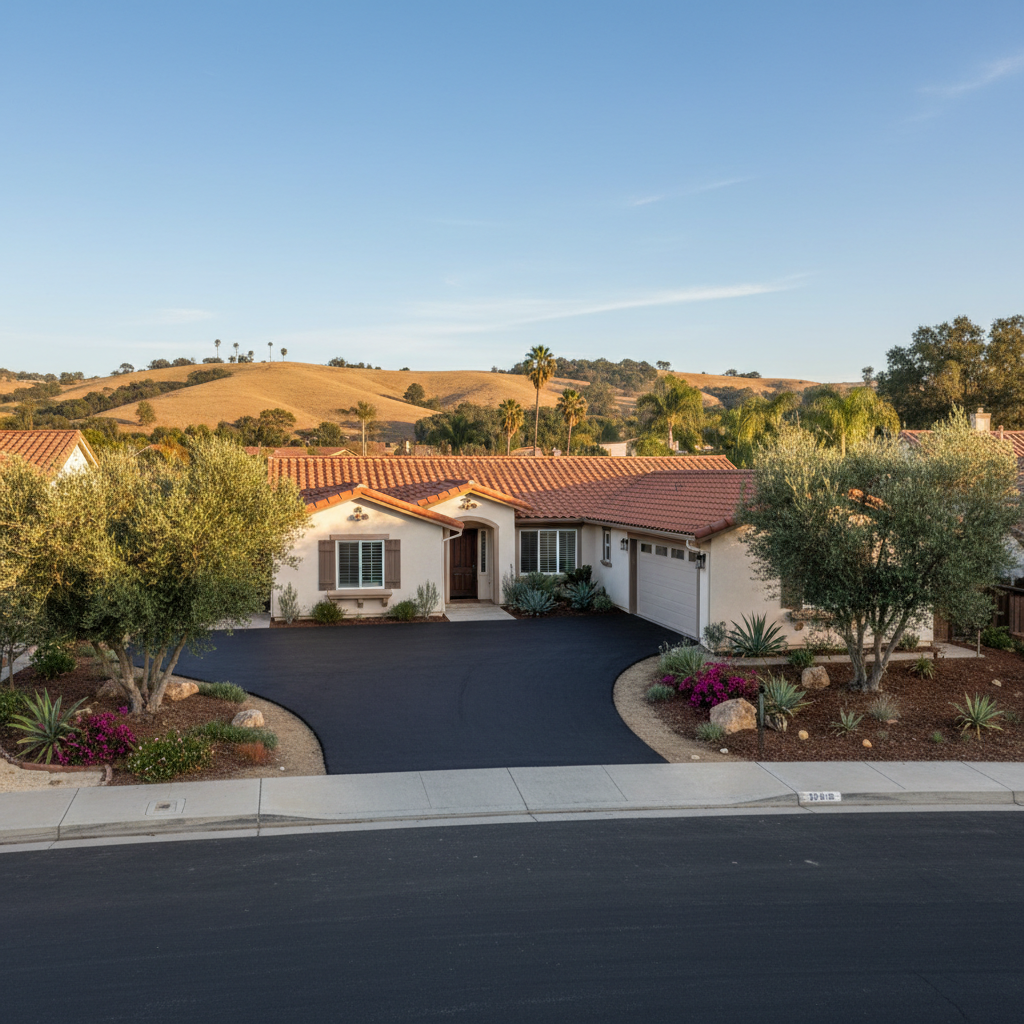
So, you're ready to tackle that asphalt paving project. Maybe your old driveway's seen better days, or you're finally putting in that extra parking pad you've always wanted. Whatever it is, getting a new asphalt surface isn't just about calling a guy and hoping for the best. There's a bit of planning involved if you want it done right and without headaches. As someone who's been doing this in Placentia for years, I've seen it all, and I want to give you the straight scoop.
Setting Your Project Timeline
How long does this whole thing take? That's usually the first question I get. The truth is, it varies, but I can give you a general idea. From your initial call to the final sweep, you're looking at a few weeks, maybe even a month or two, depending on the scope and the contractor's schedule.
- Initial Contact & Estimate (1-2 weeks): You'll call a few contractors, schedule site visits, and get bids. Don't rush this.
- Permits (if needed) (2-4 weeks): For larger projects, or if you're altering drainage significantly, you might need city permits. This can add time, so factor it in.
- Scheduling the Work (1-3 weeks out): Once you pick a contractor, you'll get on their schedule. Good contractors are often booked a bit in advance, especially during prime paving season.
- Actual Paving Work (1-5 days): This is the hands-on part. Small driveways might be a day or two. Larger areas with extensive grading or multiple layers will take longer.
- Curing Time (7-30 days): Your new asphalt needs to cure. You can usually drive on it lightly after a few days, but it won't be fully hardened for a few weeks.
Don't try to squeeze a big project into a tiny window. Rushing almost always leads to problems down the road.
What to Expect During the Process
Once you've signed on the dotted line, here's a rough idea of what you'll see happening on your property.
- Site Preparation: This is where the magic starts. We'll remove any old asphalt or concrete, clear debris, and get the area ready. This often involves heavy machinery, so expect some noise and disruption.
- Grading and Base Layer: Proper drainage is key, especially with our occasional heavy rains here in Placentia. We'll grade the area to ensure water flows away from your home, and then lay down a compact aggregate base. This base is super important for the longevity of your asphalt – it's the foundation.
- Asphalt Paving: This is the main event. Hot asphalt mix gets delivered, spread, and then compacted with rollers. It's hot, it smells, and it looks fantastic when it's done right. We usually do this in layers, depending on the project.
- Cleanup: Once the paving is done, we'll clean up the site, removing any equipment and debris.
- Post-Paving Care: Your contractor should give you specific instructions on how to treat your new asphalt for the first few weeks. Listen to them!
How to Prepare Your Property
You've got a role to play too, to make sure things go smoothly.
- Clear the Area: Move cars, boats, RVs, trash cans, planters, anything that's in the way of the work zone. We need clear access.
- Trim Landscaping: If you have bushes or trees overhanging the work area, trim them back. It makes it easier for our equipment and prevents damage to your plants.
- Mark Sprinklers/Utilities: If you know where your sprinkler heads, low-voltage lighting, or other shallow underground utilities are, mark them clearly with flags or paint. We're careful, but knowing exactly where they are helps avoid accidental damage.
- Inform Neighbors: Give your neighbors a heads-up about the upcoming work. There will be noise, trucks, and possibly temporary access issues. It's just good neighborly etiquette.
- Plan for Access: You won't be able to drive on your new asphalt for at least a few days, possibly longer. Plan for alternative parking or access to your home.
Questions to Ask Before Signing a Contract
Before you commit, make sure you're comfortable with your choice. Here are some questions I'd ask if I were in your shoes:
- Are you licensed and insured? Don't just take their word for it; ask for proof. This protects you if something goes wrong.
- Can I see some references or examples of your work in Placentia? A good contractor will be proud to show off their local projects.
- What's included in the price? Get a detailed breakdown. Does it include excavation, base material, asphalt layers, cleanup, and any necessary permits?
- What's your warranty? A reputable company like All Star Asphalt Company will stand behind their work. Understand what's covered and for how long.
- What's the payment schedule? Typically, there's a deposit, progress payments, and a final payment upon completion and your satisfaction. Be wary of anyone asking for 100% upfront.
- How do you handle unexpected issues? Sometimes we uncover things like old concrete footings or unexpected soil conditions. Ask how they communicate these and how they're addressed financially.
- What's the estimated start and completion date? Get a clear understanding of the timeline.
Doing your homework upfront saves you a lot of headaches later. You want a durable, good-looking asphalt surface that lasts, and that starts with good planning and choosing the right crew. Good luck with your project!