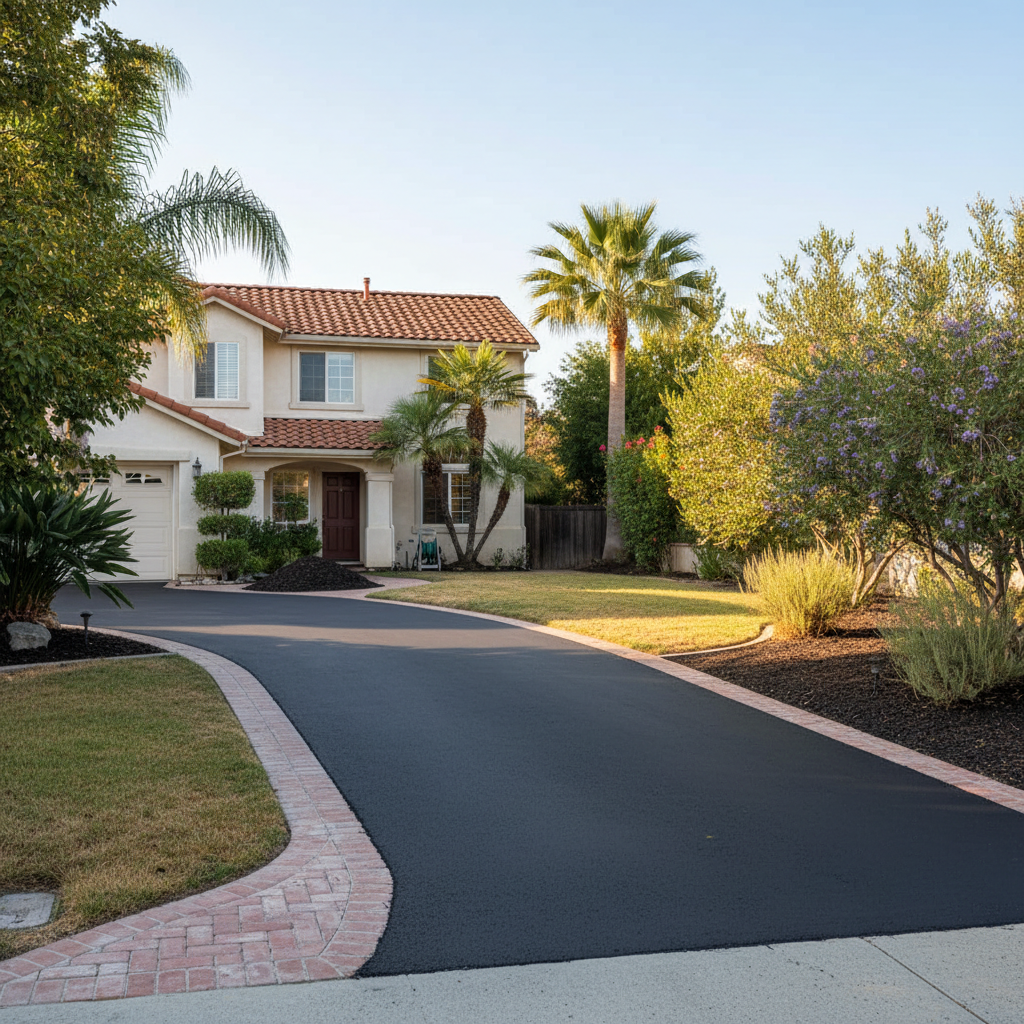
Alright, let's talk about your asphalt driveway here in Placentia. You might not think about it much, but our local climate—those hot, dry summers and sometimes surprisingly wet winters—really dictates how your asphalt holds up and when you should be doing work on it. It's not just about getting a new driveway; it's about keeping the one you've got in good shape year after year.
Summer: The Heat is On
Our Placentia summers are no joke, right? Those long stretches of 90-degree-plus weather, especially out in areas like the hills near the 57 freeway, can be tough on asphalt. The intense sun and heat make your asphalt more pliable, almost like soft plastic. This isn't necessarily a bad thing, but it does mean a few considerations for you as a homeowner.
- New Paving: If you're getting a brand new driveway or a major overlay, summer can actually be a decent time. The heat helps the asphalt cure properly, and we've got plenty of daylight. The key is to make sure the base is solid and that the crew knows what they're doing with compaction. You don't want to be driving on it too soon after it's laid, especially if it's still super hot out. Give it a few days, let it cool and harden up.
- Sealcoating: This is where summer gets tricky. Sure, you need warm temperatures for sealcoat to cure properly, but doing it in the absolute peak of summer, when it's scorching, can make it dry too fast. This can cause cracking or an uneven finish. I usually tell folks to aim for late spring or early fall for sealcoating, when it's warm but not brutal. If you absolutely have to do it in summer, make sure it's not during a heatwave.
- Watch for Weeds: The heat also encourages weeds to sprout through any tiny cracks. Keep an eye on those and pull them or treat them before they get established. Once they grow, their roots can really mess up your asphalt.
Fall: The Sweet Spot
For my money, fall is often the best time to do almost any major asphalt work around Placentia. The temperatures are usually just right – warm enough for materials to work well, but not so hot that they're curing too fast or staying too soft.
- Paving & Repairs: Whether it's a full replacement, an overlay, or just some patching, fall offers ideal conditions. The ground temperatures are stable, and the air isn't too humid. This helps everything bond and cure correctly.
- Sealcoating: Again, this is prime time. The moderate temperatures allow the sealcoat to penetrate and cure at an optimal rate, giving you a longer-lasting, better-looking finish. You want a few days of clear, warm weather after application, which fall usually delivers.
Winter: Proceed with Caution
Our winters aren't like the Midwest, but we do get our share of rain and cooler temperatures. This isn't the best time for fresh asphalt work, if I'm being honest.
- Paving & Sealcoating: I generally advise against major paving or sealcoating projects in the dead of winter. Asphalt needs warmth to compact properly, and sealcoat needs dry, consistent temperatures to cure. If it's too cold, the material won't bond right, and you'll end up with a weaker, less durable surface. Rain is obviously a no-go for these jobs too.
- Repairs: Small, urgent repairs like potholes can sometimes be done in winter, especially if we get a dry spell. But it's usually a temporary fix until the weather warms up again. The cold can make asphalt brittle, so it's harder to get a really strong, permanent patch.
- Drainage: Winter is when you'll really see if your driveway has drainage issues. Watch for standing water. If water is pooling, it'll eventually seep into the asphalt base, causing damage. This is a good time to plan for drainage improvements in the spring.
Spring: Getting Ready for Summer
Spring is another excellent window for asphalt work, especially as we move into late spring.
- Inspections: After the winter rains, spring is a great time to inspect your driveway for any new cracks or damage. Address these early before they become bigger problems in the summer heat.
- Paving & Sealcoating: As temperatures consistently warm up, spring becomes ideal for both new paving and sealcoating. You get the benefits of warmth without the extreme heat of summer.
Ultimately, keeping your Placentia driveway in top shape means paying attention to the seasons. It's not just about getting the job done, it's about getting it done right, so it lasts. If you're ever unsure about the best time for a project, just give me a call at All Star Asphalt Company. We've seen it all, from the old homes near Placentia-Linda Hospital to the newer developments, and we can help you figure out the best plan for your specific situation.