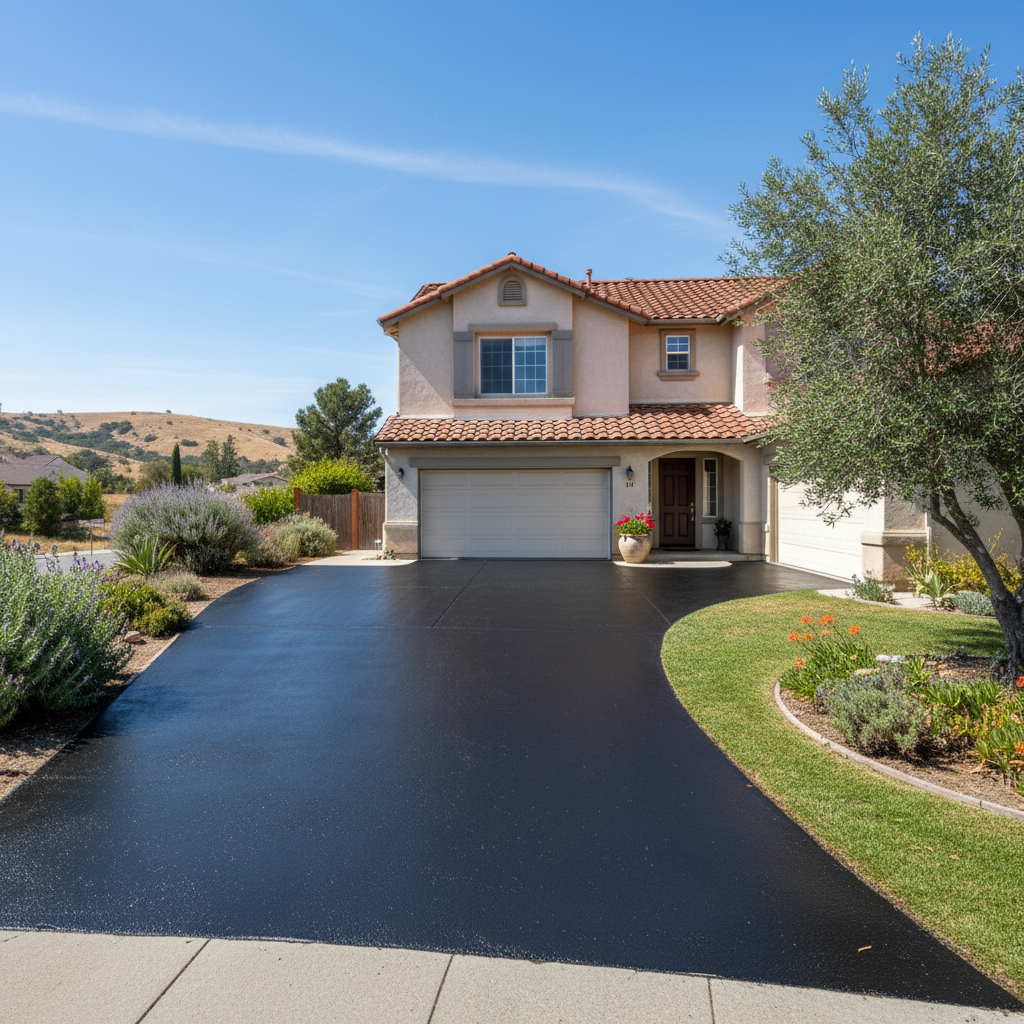
So, when's the best time to sealcoat your asphalt here in Placentia? That's a question I hear all the time, and honestly, it's not just about picking a date off the calendar. It really boils down to the weather, and around these parts, that can be a little unpredictable. You've put good money into your asphalt, whether it's the driveway for your house in the Alta Vista neighborhood or a big parking lot for your business off Kraemer Boulevard. Keeping that investment safe means understanding how our specific climate affects sealcoating.
Why Timing Matters for Sealcoating
You might be thinking, "I'll just get it done whenever I have a free weekend," but that approach usually leads to disappointment. Sealcoat isn't just some paint; it's a protective layer that absolutely needs to cure correctly. If it doesn't, it won't stick, it'll wear off way too fast, and you'll have basically thrown your money away. The two biggest things to watch out for are temperature and moisture.
- Temperature: Most sealcoat manufacturers suggest putting their products down when the air temperature is consistently above 50°F (10°C) and still going up. The ground temperature is just as crucial, maybe even more so. If the ground is too cold, the sealcoat won't cure evenly or bond properly. Here in Placentia, we definitely get plenty of warm days, but those cooler mornings, especially right after a cold snap, can be tricky.
- Moisture: This is a huge one. You simply cannot apply sealcoat to wet asphalt, and it needs a good 24 to 48 hours of dry weather *after* you put it on to cure. Rain, heavy dew, or even just high humidity can completely ruin a fresh sealcoat job.
The Best Time to Sealcoat in Placentia
Given our local climate, I'd say the ideal window for sealcoating in Placentia generally runs from late spring through early fall. Think May right through October. During these months, we typically get those steady warm temperatures and long stretches of dry days — perfect for proper curing. We don't really deal with the intense humidity you see in other parts of the country, which certainly helps. Still, you do need to keep an eye out for those Santa Ana winds. While they bring dry air, they can also kick up a ton of dust and debris, and believe me, you don't want that settling into a fresh coat.
I've seen people try to squeeze it in during November or December because they're finally getting around to it. But those colder overnight temperatures and the higher chance of morning dew or even a light rain shower can seriously mess things up. It's just not worth taking that kind of gamble, is it?
What to Watch Out For: Weather Conditions
Before you or your contractor even think about starting a sealcoating project, you've got to check the forecast, and not just for today. Look ahead at the next two or three days. Here's what I'm always looking for:
- No Rain: This is non-negotiable. If there's even a slight chance of rain within 24-48 hours of application, you absolutely have to reschedule. Even a light drizzle can wash away uncured sealcoat or leave behind ugly streaks.
- Consistent Warmth: We're talking daytime highs comfortably above 60°F and overnight lows staying above 45-50°F. This makes sure the material cures evenly and completely.
- Low Humidity: While not as critical as rain, really high humidity can slow down the curing process quite a bit. Our dry Placentia air usually isn't an issue here, but it's something to remember if we happen to get an unusual marine layer.
- Wind: A little breeze is actually good; it helps things dry. But strong winds, like the ones we sometimes get whipping through the canyons, can blow dust, leaves, and other junk onto your freshly applied sealcoat. It can also make the sealcoat dry too quickly on the surface, which can lead to cracking later.
Protecting Your Investment Year-Round
Once your sealcoat is down and cured, you're not completely off the hook, though. Here's how to keep it looking good and doing its job:
- Keep it Clean: Regularly sweep or blow off dirt, leaves, and debris. These things can hold moisture and wear down the sealcoat over time.
- Address Spills Immediately: Oil, gas, and other automotive fluids are sealcoat killers. Blot them up as soon as you spot them. A little kitty litter can really help absorb fresh spills.
- Watch for Cracks: Even with sealcoat, small cracks can pop up. Catch them early and fill them with a good quality crack filler. This stops water from getting underneath and causing bigger problems, like potholes.
- Avoid Heavy Loads: Try not to park heavy vehicles or equipment on your freshly sealed asphalt for at least a week or two. The sealcoat needs time to fully harden and get to its maximum strength.
- Re-sealcoat Regularly: For most residential driveways, I suggest resealing every two to three years. For commercial properties that see heavier traffic, it might be every one to two years. It's a maintenance item, not a one-and-done deal, you know?
Look, sealcoating is one of the best things you can do to make your asphalt last longer. It protects against UV rays, water getting in, and chemical spills. But getting the timing right is half the battle. If you're not sure, or if you just want it done right the first time, give us a call at All Star Asphalt Company. We've been doing this long enough to know exactly what works in Placentia, and we'll make sure your asphalt gets the protection it truly deserves.