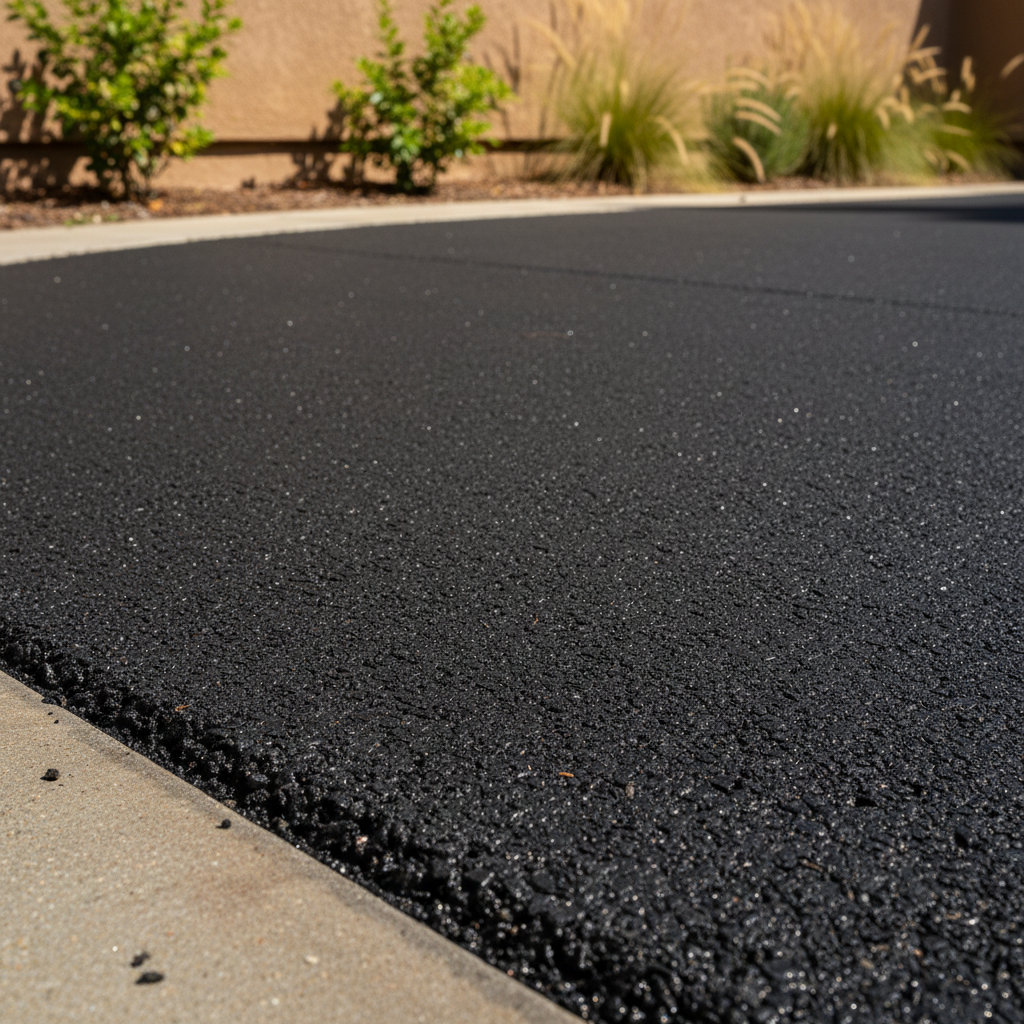
So, you're staring at your asphalt driveway, right? And you're probably wondering what's next for it. Maybe it looks a little tired, or you're dreaming up a brand new one. I hear this question all the time: "What can I actually do myself, and when do I really need to call someone like you?" Let's just walk through it, from the first thought to the finished job.
Before You Start: Planning Your Asphalt Project
Before any dirt moves or asphalt gets laid, you've got some serious thinking to do. The biggest decision, usually, is whether you're just patching up an old driveway or putting in a completely new one. If it's only a few cracks or small potholes, you might be able to handle some of that yourself. But if we're talking about extensive cracking, major dips, or a full-blown overhaul, well, that's a bigger job. It usually needs professional equipment and expertise.
Don't forget drainage either. Here in Placentia, especially with our occasional heavy rains, managing water is absolutely critical. You definitely don't want water pooling on your driveway, eroding the base, or, worse, running into your garage. A good contractor will always factor in the slope and drainage, making sure water flows away from your home. This isn't something you want to guess at; improper drainage can lead to some really costly problems down the line.
Another thing to consider is the base. Seriously, asphalt is only as good as what's underneath it. If your existing base is weak, full of roots, or has settled unevenly, a new layer of asphalt won't fix those underlying issues for long. You'll just get new cracks in the same old spots. A professional can assess your base properly. If you're building new, you'll need to excavate, lay down a good aggregate base, and compact it thoroughly. That's heavy work, requiring specialized equipment like excavators and rollers that most homeowners just don't have lying around, do they?
During the Project: DIY vs. Professional Work
Okay, so you've figured out what kind of project you're tackling. What's actually involved?
Small Patching & Crack Filling (DIY Potential): For minor cracks (we're talking hairline to about half an inch wide) and small, shallow potholes, you can absolutely do some DIY work. You'll need to clean out those cracks thoroughly – a wire brush and a leaf blower work wonders. Then, apply a good quality crack filler from your local hardware store. For small potholes, grab some cold patch asphalt. Clean the area, shovel in the cold patch, and tamp it down really well. You can rent a hand tamper or even use your car tire to compact it. Just remember, these are temporary fixes to extend your driveway's life, not permanent solutions for major damage.
Larger Repairs & Resurfacing (Call a Pro): If you've got cracks wider than half an inch, deep potholes, alligator cracking (you know, that pattern that looks like alligator skin), or significant areas of deterioration, you're past the DIY stage. Resurfacing an existing driveway, which means laying a new layer of asphalt over the old one, also requires professional equipment for proper cleaning, tack coating, and precise paving. You need specialized machinery to heat and lay hot asphalt evenly and compact it properly. Trying to do this yourself often leads to uneven surfaces, poor compaction, and a driveway that just won't last.
New Driveway Installation (Definitely a Pro Job): This is where you absolutely, positively need a professional. From excavating the old material, grading the sub-base, laying and compacting the aggregate base, to paving with hot mix asphalt and compacting it with heavy rollers – it's a really complex process. The equipment alone is a huge investment, and the skill to operate it efficiently and correctly? That comes from years of experience. You'll want a company like All Star Asphalt Company that understands the local soil conditions and how to build a durable driveway that can withstand our dry summers and occasional wet winters.
After the Project: Keeping Your Asphalt Healthy
Once the asphalt is down, whether it's a small patch or a whole new driveway, your job isn't quite finished. The first thing is to give it time. If it's a new driveway, stay off it for at least 24-48 hours, sometimes longer if it's really hot out. Hot asphalt needs to cure and harden properly, after all.
Regular cleaning is a simple DIY task that makes a huge difference. Sweep off leaves, dirt, and debris. This stops organic matter from breaking down and staining or degrading the asphalt. If you spill oil or gas, clean it up immediately. Those chemicals can soften and dissolve asphalt over time. A little cat litter to absorb the spill, followed by a stiff brush and some degreaser, usually does the trick.
Keep an eye out for new cracks or small potholes. Addressing these quickly with crack filler or cold patch can prevent them from becoming bigger, more expensive problems. It's kind of like catching a small chip in your windshield before it turns into a huge crack, isn't it? This proactive maintenance is probably the most impactful DIY thing you can do for your asphalt.
Ultimately, a good asphalt driveway is an investment. Doing the small, manageable maintenance tasks yourself can save you money and extend its life. But for the big stuff – the heavy lifting, the precise grading, the hot asphalt paving – you're always better off calling in the pros. We've got the tools, the experience, and the know-how to get it done right the first time.